The Ultimate Guide to Choosing the Perfect Foam Mattress for Better Sleep
When it comes to getting a good night's sleep, the right mattress can make all the difference. Foam mattresses have gained popularity for their ability to provide personalized comfort and support, making them an excellent choice for many sleepers. In this guide, we’ll explore the benefits of foam mattresses, types of foam materials, and what to look for when choosing the perfect foam mattress to meet your needs.
Why Choose a Foam Mattress?
Foam mattresses are designed to contour to the body, providing exceptional support and pressure relief. Unlike traditional spring mattresses, foam mattresses reduce motion transfer, meaning that movements on one side of the bed are less likely to disturb a partner on the other. This makes foam mattresses ideal for couples, as well as anyone who struggles with frequent waking due to disturbances during the night.
Foam mattresses are also known for their durability. High-quality foams can maintain their shape and support for many years, making them a sound investment for long-term comfort. Additionally, foam mattresses are available in a variety of firmness levels, allowing sleepers to choose the option that best suits their preferences and sleeping style.
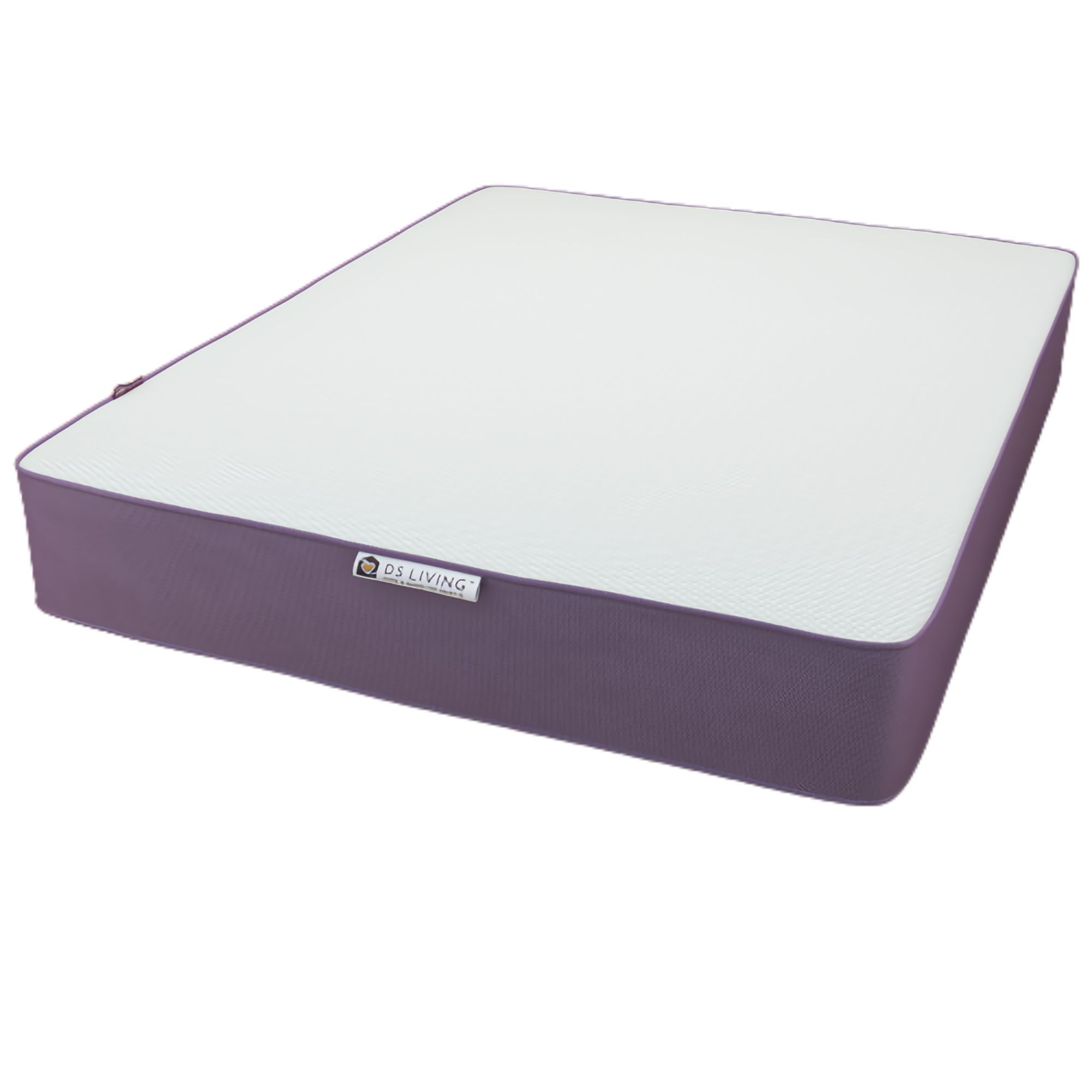
Types of Foam in Mattresses
There are several types of foam used in mattresses, each with unique characteristics. The three most common types are memory foam, latex foam, and polyurethane (poly) foam. Here’s a closer look at each:
Memory Foam: Known for its body-contouring capabilities, memory foam responds to body heat and weight, allowing it to mould to the sleeper’s shape. This provides excellent pressure relief, which can be beneficial for people with joint pain or pressure points. Memory foam mattresses are also great at isolating motion, which can help minimize disturbances during the night.
Latex Foam: Latex foam is naturally derived from rubber trees, though synthetic latex is also available. This type of foam is highly responsive, offering a bouncier feel compared to memory foam. Latex mattresses provide a good balance of support and comfort while allowing for better airflow. They are also hypoallergenic and resistant to dust mites, making them a good choice for people with allergies.
Polyurethane (Poly) Foam: Often found in the comfort layers of mattresses, polyfoam is lightweight and affordable. While it may not contour as deeply as memory foam, polyfoam offers good support and comfort at a lower price point. High-density polyfoams are durable and can be an excellent choice for those seeking an affordable yet supportive mattress.
Key Factors to Consider When Buying a Foam Mattress
Choosing the right foam mattress can feel overwhelming with so many options available. Here are some essential factors to consider:
Firmness Level: Foam mattresses come in various firmness levels, ranging from plush to firm. Side sleepers may prefer a softer mattress for better contouring, while back and stomach sleepers might opt for a firmer mattress to ensure proper spinal alignment.
Thickness and Density: The thickness of a mattress can impact both comfort and support. Generally, a mattress between 10 to 14 inches provides optimal support for most sleepers. Higher-density foams are more durable and supportive, but they may also retain more heat, so it’s important to find a balance that suits your comfort level.
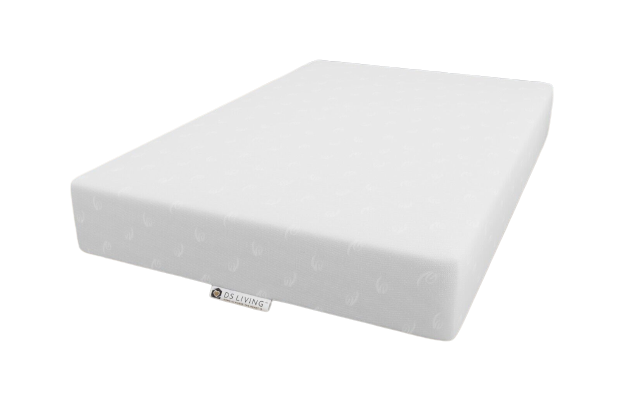
Cooling Technology: Traditional memory foam has a reputation for retaining heat, which can be uncomfortable for some sleepers. Many modern foam mattresses now feature cooling technologies, such as gel-infused foam or open-cell structures, which promote better airflow and temperature regulation. You can also visit here if you are looking to get the right mattresses.
Sleep Trials and Warranties: Many mattress brands offer sleep trials that allow you to test the mattress for a set period. Look for a company that provides a risk-free trial and a solid warranty to ensure you’re making a purchase you’re comfortable with.
Benefits of a Good Foam Mattress for Better Sleep
A high-quality foam mattress can improve sleep quality by providing better spinal alignment and pressure relief. This can be particularly helpful for those with chronic pain or discomfort. Additionally, the motion isolation offered by foam mattresses is beneficial for those who share their bed with a partner or pet.
By investing in the right foam mattress, you’re not only purchasing a bed but also enhancing your overall sleep experience. With improved comfort, support, and durability, a foam mattress can be the key to achieving restful, rejuvenating sleep for years to come.
Comments
Post a Comment